What Is an Outdoor Power Station? A Complete Guide
As outdoor activities, mobile lifestyles, and off-grid living continue to expand, the demand for safe and portable electricity has grown rapidly. This has led to the popularity of the outdoor power station, also known as a portable power station, outdoor energy storage power supply, or portable battery generator. These devices are designed to provide clean, quiet, and reliable energy whenever and wherever you need it.
This article introduces what an outdoor power station is, how it works, key components, advantages over traditional generators, and who should use one.
1. Definition of an Outdoor Power Station
An outdoor power station is a portable energy storage device that stores electricity in a rechargeable lithium-ion or LiFePO4 battery and outputs power through AC, DC, and USB ports. It functions similarly to a portable generator but uses battery power instead of gasoline, making it cleaner, safer, and quieter.
Key characteristics:
- Rechargeable large-capacity battery
- Multi-port output
- Solar charging support
- Portable design
- Suitable for off-grid use
2. Core Components
Outdoor power stations typically include the following components:
Battery Pack
The heart of the system, usually lithium-ion or LiFePO4 (longer cycle life and safer).
Inverter
Converts DC battery power into usable AC electricity for household appliances.
BMS (Battery Management System)
Ensures safety through temperature monitoring, overcharge protection, short-circuit protection, and voltage regulation.
Charging Systems
Supports AC wall charging, car charging, and solar panel charging.
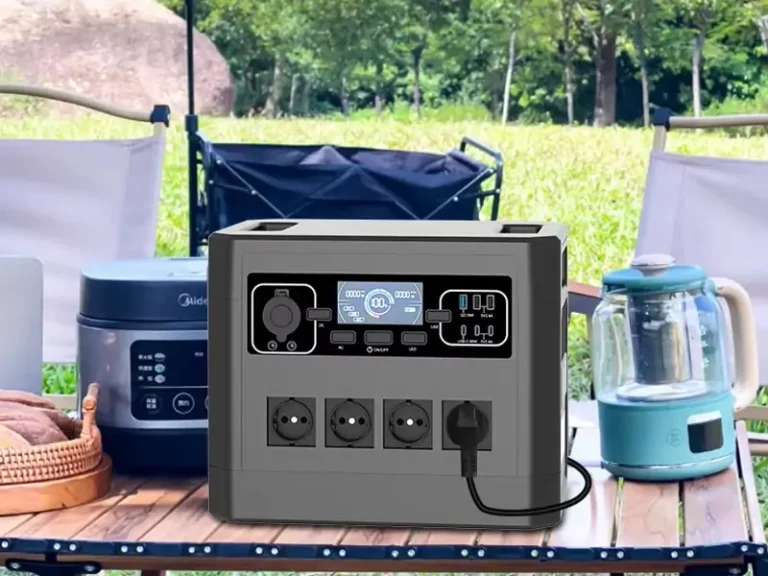
Output Ports
- AC outlets (110V/220V)
- USB-A / USB-C PD
- DC car port
- XT60 or Anderson ports (high-power DC)
This combination makes outdoor power stations extremely versatile.
3. Advantages Over Traditional Generators
Outdoor power stations are rapidly replacing fuel-powered generators in many scenarios.
Silent Operation
No engine noise—ideal for camping, nighttime use, and residential areas.
No Fuel, No Emissions
Eco-friendly and safe for indoor use.
Portable and Lightweight
Easy to carry, unlike bulky gasoline generators.
Multiple Charging Methods
Solar charging makes them sustainable for long-term outdoor use.
Low Maintenance
No oil changes, no fuel storage, no mechanical parts.
These advantages make outdoor power stations the better choice for most personal and small-business scenarios.
4. Where Outdoor Power Stations Are Used
They are widely used in:
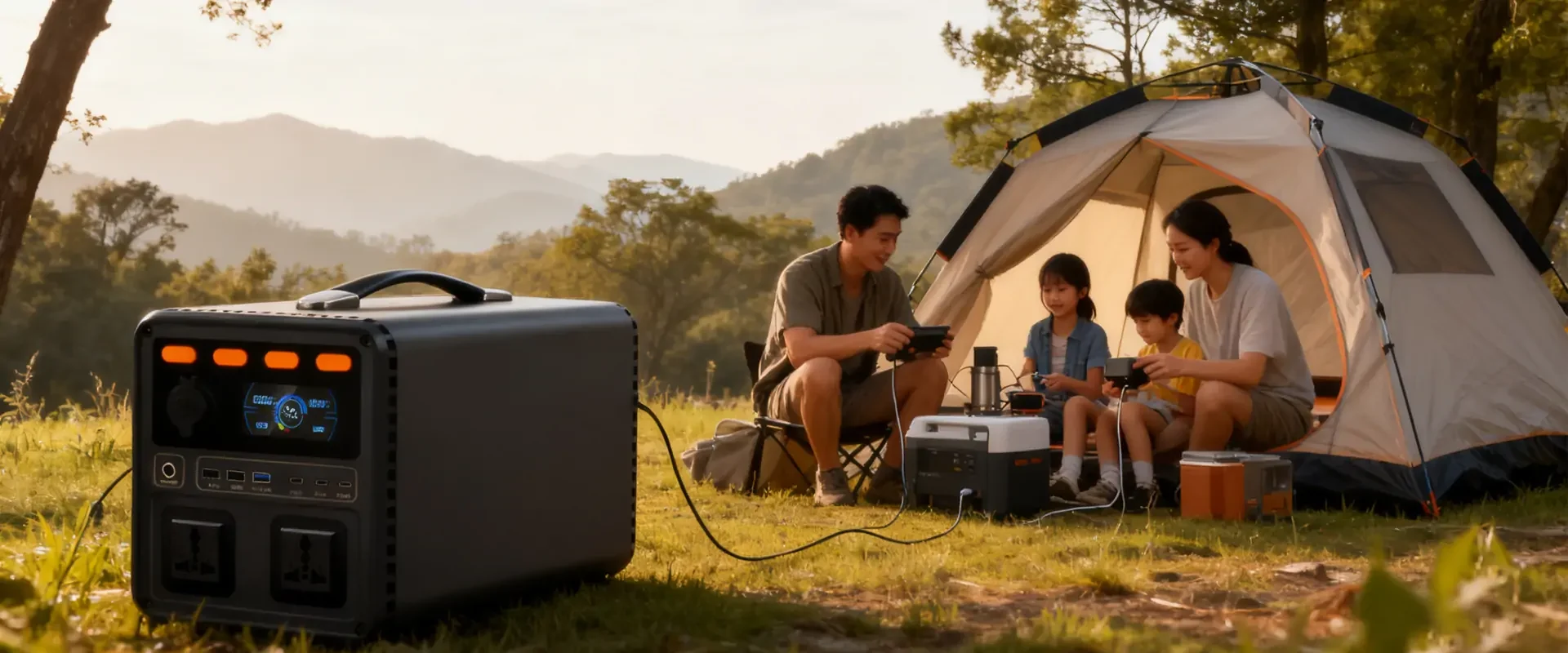
- Camping
- RV and van life
- Outdoor work
- Emergency home backup
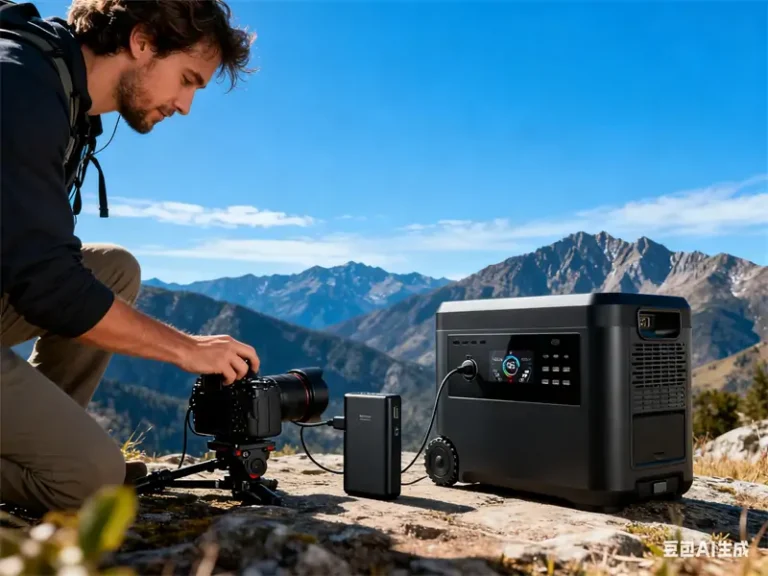
- Photography and drone flights
- Outdoor markets and events
Their adaptability makes them among the most demanded consumer energy products today.
Conclusion
An outdoor power station is a modern solution for portable and reliable electricity. With strong battery capacity, multi-port output, safe operation, and solar charging, it meets the growing need for mobile energy in various daily and outdoor scenarios.