How to Use an Outdoor Power Station
Outdoor power stations are designed to be easy to use even for beginners. Whether you are powering home appliances, charging your devices at a campsite, or using solar panels for off-grid electricity, outdoor power stations make the process simple and intuitive. This guide explains how to use an outdoor power station safely and efficiently.
1. Understanding the Output Ports
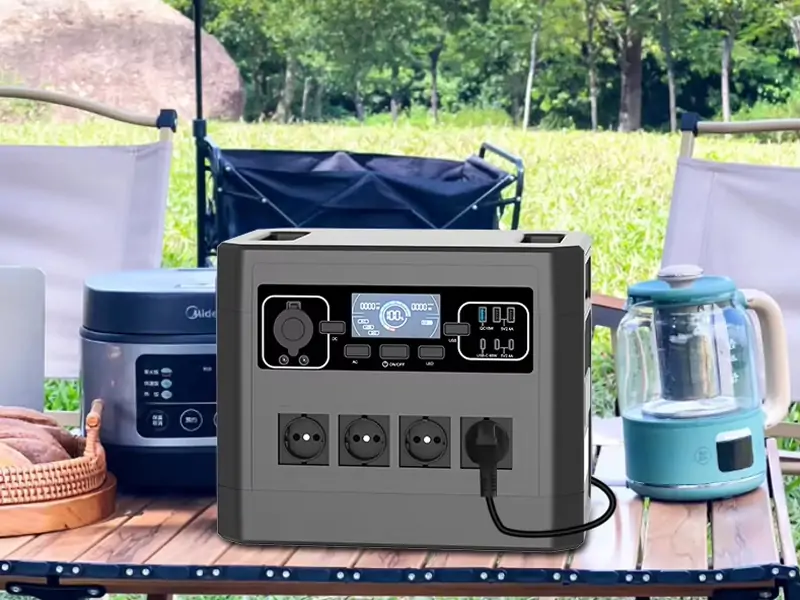
Before using the device, familiarize yourself with its ports:
AC Outlets
For appliances such as laptops, fans, mini-fridges, projectors, electric cookers, etc.
USB Ports
- USB-A for phones and small electronics
- USB-C PD for laptops, tablets, cameras, drones
DC Outputs
Common for car coolers, air pumps, and vehicle accessories.
Car Port / Cigarette Lighter Port
Great for car-compatible devices.
2. Checking Capacity and Power Requirements
Every device has two main ratings:
- Capacity (Wh) — how long the power station lasts
- Output Power (W) — what devices it can run
Before use:
- Confirm the appliance’s wattage does not exceed the power station’s rated output.
- Consider high-starting-power devices (motors, compressors) that may require surge wattage.
3. How to Charge an Outdoor Power Station
AC Wall Charging
Fastest method; usually 3–7 hours depending on capacity.
Solar Charging
Best for long-term outdoor use.
Requires solar panels (60W–400W).
Ideal for camping and emergencies.
Car Charging
Useful during road trips.
Many users combine methods—for example, solar during the day, AC at home before trips.
4. How to Use It for Different Scenarios
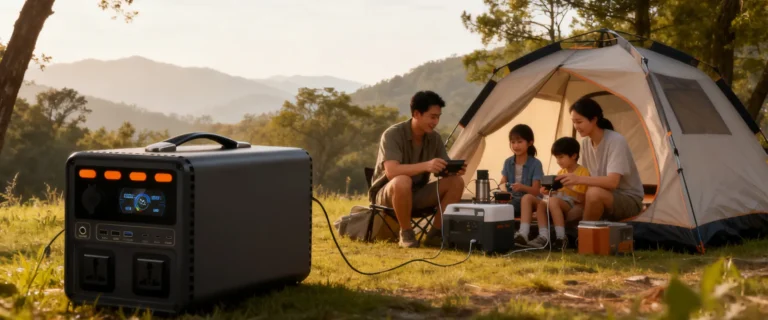
Camping
Power LED lights, portable fridges, cooking appliances, Bluetooth speakers, and more.
Emergency Backup
Connect only essential devices:
Wi-Fi, phones, lights, CPAP machines, and mini-fridges.
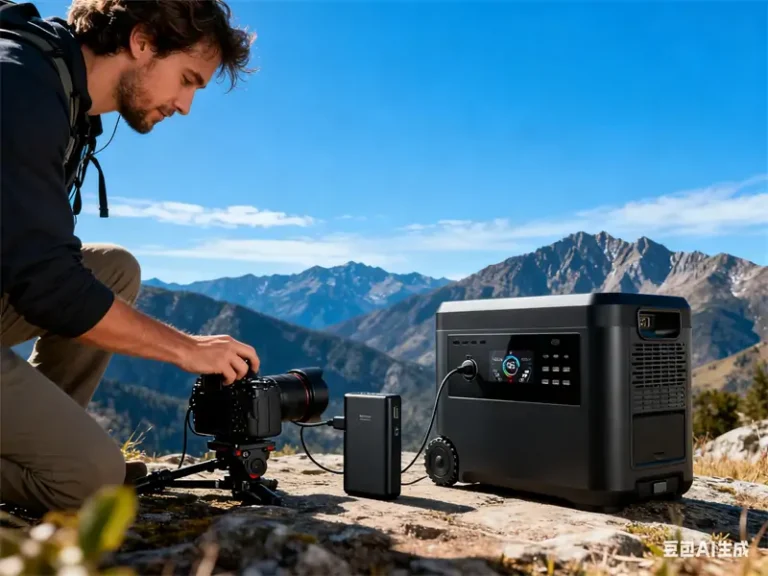
Photography and Drones
Use fast USB-C PD charging for camera batteries and drone battery hubs.
Outdoor Markets
Power POS machines, lighting, fans, and signage.
5. Safety Tips
- Do not exceed rated wattage
- Keep the power station dry
- Ensure ventilation when running high-power loads
- Charge periodically to extend battery life
- Avoid extreme temperatures
Conclusion
Outdoor power stations are easy to use and highly versatile. With proper understanding of power requirements, charging methods, and safety practices, you can enjoy reliable electricity anywhere—at home, outdoors, or during emergencies. Their portability, multi-device compatibility, and clean energy features make them essential tools for modern living.